
H-Class Vacuums for Asbestos and Hazardous Dust
H-Class vacuums for asbestos, silica and lead dust. AS/NZS 60335.2.69 compliant with 99.995% filtration efficiency. DOP testing available. AU-wide delivery.
- H-Class certifiedAS/NZS 60335.2.69
- 99.995% efficiencyTested on the whole machine
- DOP testing availableIn-house or On-site
- Australia-wide deliverySpecialist support
-
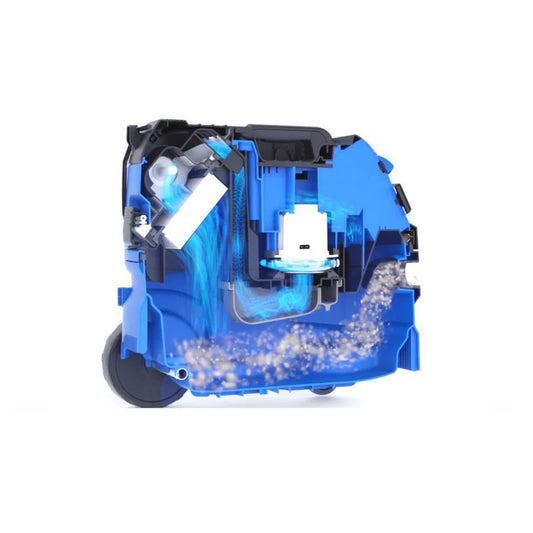
Nilfisk VHS 42 30L H-Class InfiniClean™
Vendor:NilfiskRegular price $1,991.00 AUDRegular priceUnit price per$2,153.80 AUDSale price $1,991.00 AUDSale -
Nilfisk VHS 42 40L H-Class InfiniClean™
Vendor:NilfiskRegular price $2,699.40 AUDRegular priceUnit price per$3,121.80 AUDSale price $2,699.40 AUDSale -
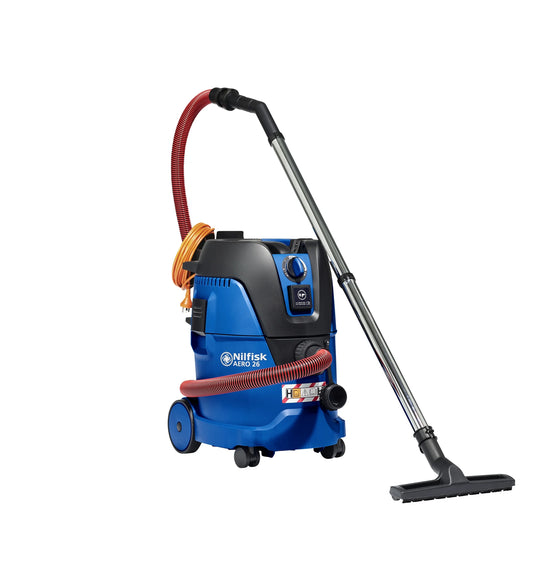
Nilfisk AERO 26 H-Class Wet & Dry Vacuum
Vendor:NilfiskRegular price $1,309.00 AUDRegular priceUnit price per -
Nilfisk ATTIX 751-OH H CLASS VACUUM
Vendor:NilfiskRegular price $3,637.70 AUDRegular priceUnit price per -
Nilfisk VHS120 HC - Single Phase H Class Vacuum - DOP TESTED
Vendor:NilfiskRegular price $4,995.00 AUDRegular priceUnit price per -
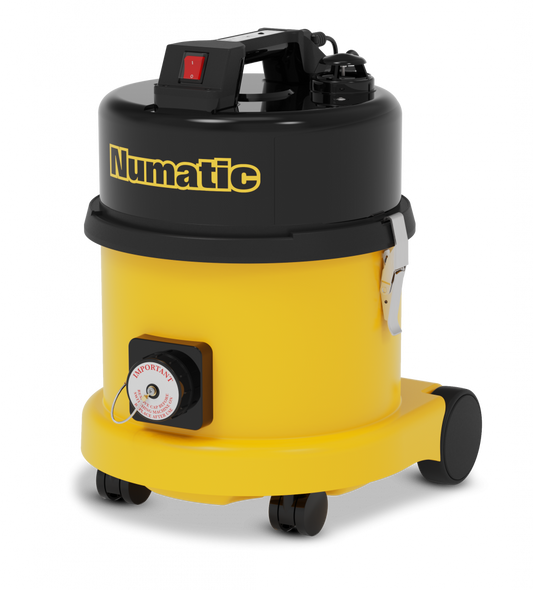
Numatic HZD570 Dual Motor H-Class Vacuum
Vendor:DeconsafeRegular price $3,135.00 AUDRegular priceUnit price per -
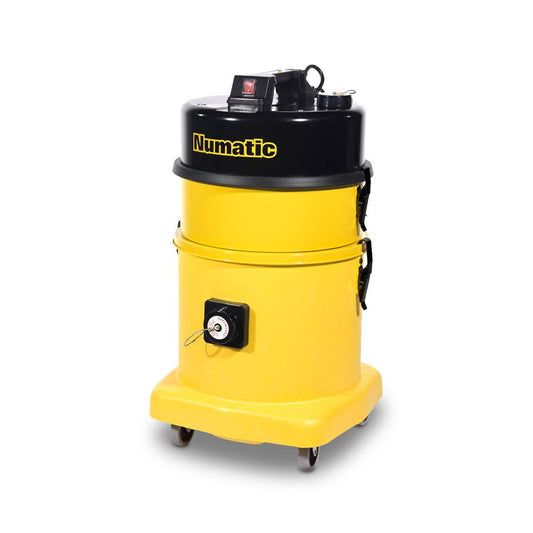
Numatic HZ370 H-Class Vacuum
Vendor:DeconsafeRegular price $1,870.00 AUDRegular priceUnit price per -
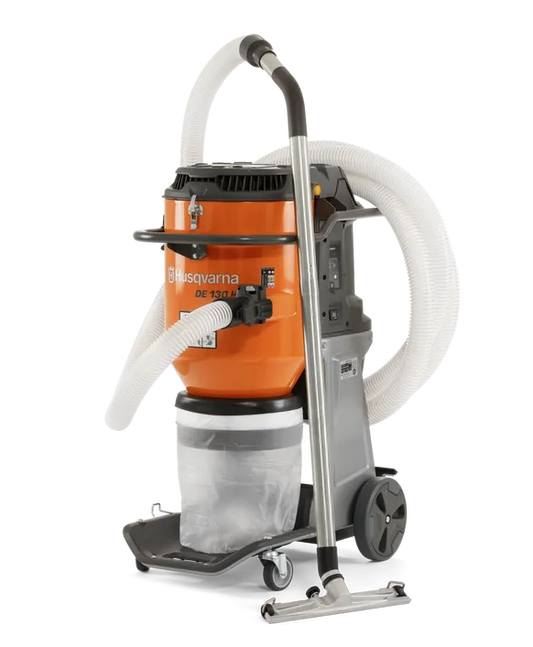
Husqvarna DE 130 H Dust Extractor System | DeconSafe
Vendor:HusqvarnaRegular price $8,249.00 AUDRegular priceUnit price per -
Husqvarna DE120 H Dust Extractor System | DeconSafe
Vendor:HusqvarnaRegular price $4,881.00 AUDRegular priceUnit price per -
Husqvarna DE 110 H Dust Extractor System | DeconSafe
Vendor:HusqvarnaRegular price $2,797.00 AUDRegular priceUnit price per










Speak to our sales team
Choosing an H-Class vacuum for asbestos and hazardous dust
| Class | Efficiency | Typical materials |
|---|---|---|
| L-Class | 99% | Soil, sand, limestone. Low-hazard nuisance dust. |
| M-Class | 99.9% | Wood dust, plaster, concrete, brick, general construction dust. |
| H-Class | 99.995% | Asbestos, lead, mould spores, carcinogenic and pathogenic dusts. |
HAZARDOUS DUST CONTROL
Frequently asked questions
What is an H-Class vacuum?
An H-Class vacuum is an industrial vacuum certified to the Class H requirements of AS/NZS 60335.2.69, tested to a filtration efficiency of 99.995%. It is the highest of the three dust classes and the only class Australian WHS regulators accept for asbestos clean-up. Certification applies to the assembled machine, including filter, seals, housing and collection system, not just the filter element.
What is better, an H-Class or M-Class vacuum?
H-Class is the higher rating. An M-Class vacuum is tested to 99.9% and is intended for wood dust, plaster, concrete and general construction dust. An H-Class vacuum is tested to 99.995% and is the class accepted for asbestos, lead, mould and other carcinogenic dusts. An H-Class machine can safely be used on M and L-Class dusts, but an M-Class machine must never be used on asbestos.
Can you vacuum asbestos dust?
Yes, but only with an H-Class vacuum, and only for dust and small debris. Larger pieces should be picked up by hand and never broken up to make them easier to vacuum. The Safe Work Australia Code of Practice also advises against using asbestos vacuums on wet materials, and against brush attachments, because they cannot be reliably decontaminated.
Can I buy H-Class vacuums from anyplace?
Some general hardware retailers do stock H-Class certified machines. What separates a specialist supplier is what comes with the machine: confirmation that the specific model variant is H-Class rather than the L or M version of the same product line, a DOP certificate where one is required, and access to annual testing, filters and service. For licensed asbestos work the documentation matters as much as the machine, because an inspector will ask for a current test report and maintenance records, not a receipt.
Is a HEPA vacuum the same as an H-Class vacuum?
No. A HEPA filter is one component, while H-Class is a certification of the whole appliance. A vacuum can be fitted with a genuine HEPA filter and still leak hazardous dust through its seals, housing seams or motor cooling path. This is why an L-class machine cannot be upgraded to H-class by fitting a better filter. The class covers sealed containers, tool-only filter removal and the filter being held below atmospheric pressure.
What class of vacuum do you need for asbestos?
H-Class. The Safe Work Australia model Code of Practice states that vacuums used on asbestos should comply with the Class H requirements of AS/NZS 60335.2.69 or its equivalent, with filters conforming to AS 4260-1997 or equivalent. Household vacuums must never be used where asbestos may be present, even with a HEPA filter, and machines marked L or M class are not accepted.
What is DOP testing, and why does my vacuum need it?
DOP (Dispersed Oil Particulate) testing uses an oil aerosol to verify that an H-Class vacuum's HEPA filter and internal seals are still containing dust at 99.995% efficiency. AS/NZS 60335.2.69 says Class H filtration efficiency should be tested at least annually, and regulators ask to see a current test report for each machine. It confirms the machine is still sealed, not just that a filter is fitted.
How often should an H-Class vacuum be tested and serviced?
At least once a year. The standard specifies an annual technical inspection covering filter damage, air tightness and correct function of the control mechanism, and says Class H filtration efficiency should be tested annually too. Separately, the Code of Practice says asbestos equipment should be inspected before work starts, after any repairs, and at least every seven days of continual use, with a register kept.
Can a damaged H-Class vacuum still be DOP tested?
No. DOP testing must not be carried out where there is evidence of damage. If the damage is significant, the technician may determine the machine should no longer be used for hazardous dust at all. Some machines with self-ventilating motors may also be precluded from testing, because dust can contaminate areas outside the HEPA-protected zone.
How do I safely empty an asbestos vacuum?
Emptying should be done by a competent person in appropriate PPE, in a controlled environment. Decontaminate the vacuum and attachments before they leave the removal area, then wet-wipe the outside after each task. Remove the bag and filter following the manufacturer's instructions and dispose of both as asbestos waste. Store the hose and attachments in a labelled impervious bag and cap the vacuum's opening.
What is shadow vacuuming?
Shadow vacuuming is holding an H-Class vacuum nozzle at the point where dust is being generated, such as beside a drill bit or saw blade, so fibres are captured before they become airborne. It is used where a dust control hood cannot be attached to the tool. It is one reason hose handling and portability matter when choosing a machine.
Do I need an H-Class vacuum for silica dust?
It depends on the work and your state. WorkSafe Queensland classifies respirable crystalline silica as a high-hazard H-class dust, and H-Class is required for stone benchtop work under Queensland's stone benchtop Code of Practice. Both M and H-Class machines are accepted for general construction dust containing RCS. Many contractors choose H-Class regardless, so one machine covers asbestos and silica work.
Which H-Class vacuum is best?
There is no single best machine, because it depends on job size and portability. Compact 15 to 30L units suit residential removal and shadow vacuuming where the machine is carried between levels. Wheeled 30 to 40L units are the general-purpose choice for most licensed removal work. Continuous-bag machines suit large strip-outs where bag changes cost more time than the machine costs to run.
What do Class A and Class B asbestos licences mean for equipment?
A Class A licence permits removal of both friable and non-friable asbestos, while a Class B licence covers non-friable asbestos only. Friable work under a Class A licence brings additional equipment requirements, including negative pressure units and decontamination facilities alongside H-Class vacuums. Both classes need H-Class vacuums for clean-up.
Do I need a new vacuum, or can my existing one be certified?
If a machine was manufactured and marked as H-Class, it can be inspected and DOP tested to confirm it is still compliant. A vacuum that was never built to Class H cannot be upgraded by fitting a HEPA filter, because the classification covers the sealed appliance, not the filter. Send us the make and model and we will tell you which situation you are in.